

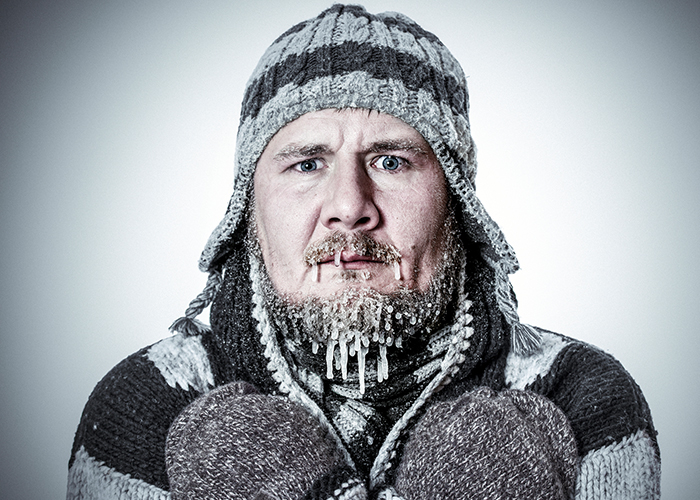
 There is a reason why a large segment of the population heads south for the winter: It is good for the mind and the body. Of course, not everyone has the opportunity to winter in warmer climates. That means we’re stuck in the cold. In order to combat the impact of winter, it might help to know exactly what is going on with your body when the temperatures start to drop.
You Burn More Calories
This might sound like a great benefit of the cold: You can lose weight. But don’t get too excited. Those calories you’re burning aren’t going to have a significant impact on the scale. What is happening is that in the cold, your body automatically tries to stay warm by increasing your metabolic rate. That is what burns those calories.
Fingers Shrink
During the winter, loose rings on your fingers isn’t because the metal is expanding in the cold. It is because your fingers are shrinking. So are your toes. This is happening because the cold weather can constrict blood vessels. It is your body’s way of protecting the core temperature. Yes, your fingers and toes will be colder than the center of your body. That’s why frostbite happens so fast in frigid temperatures.
Eyes Can Be Damaged
There is a condition that man skiers are familiar with called “snow blindness.” When the sun reflects off those rolling banks of white snow, it can bounce into your eyes. This is why you’ll rarely find anyone skiing without sunglasses or goggles. But you don’t have to be on the slopes to get “hit” with those snow reflections. Keep your sunglasses on whenever going out in the winter.
There Is a Greater Risk of Heart Attack
Shoveling snow can be a major exertion on anyone’s heart but especially older folks with preexisting heart conditions. But it’s not just clearing the sidewalks that can be an issue. In the cold, our bodies try to preserve heat and that puts added pressure on the heart to pump blood to our extremities.
It Can Cause Depression
Because of all these ailments from the cold, we should stay inside where it is warm. Ironically, that could be causing another problem: Depression. Staying indoors and having less daylight hours means our chances of getting vitamin D diminish. That can actually trigger a bout of seasonal affective disorder. Yes, the winter blues are real.